
The complexities of modern construction projects require meticulous planning and innovative approaches to ensure structural integrity and safety.
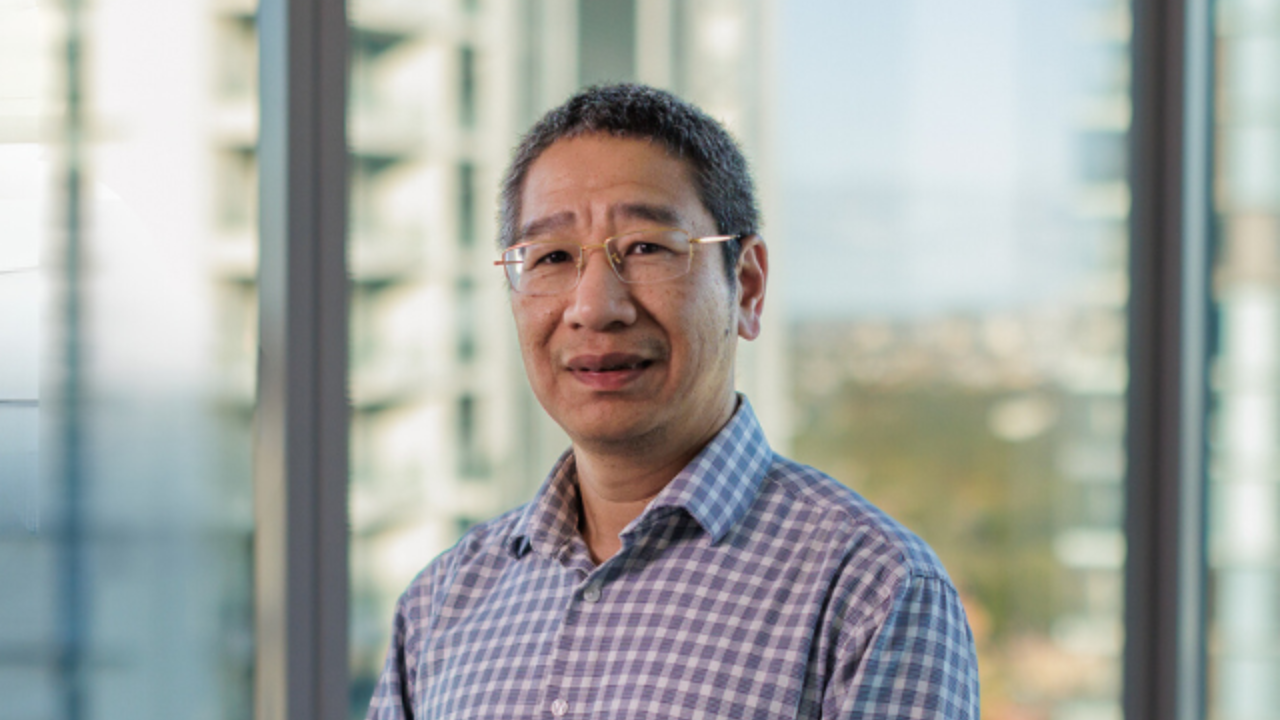
Tetra Tech Principal Geotechnical Engineer Viet Nguyen brings over 20 years of experience in geotechnical consulting, with a strong track record across major road, rail, and civil infrastructure projects for both government and private sector clients.
His research into ground engineering impact assessment is delivering valuable insights and advancing methodologies that are helping to shape more resilient infrastructure. Here, he shares key perspectives on how these developments are influencing the future of the industry.
Understanding ground-structure interactions
In any construction project, the interaction between structures and the ground is inevitable. Construction activities such as excavation and the movement of heavy machinery can significantly impact existing structures. The crux of mitigating these impacts lies in a thorough impact assessment, which quantifies the extent to which existing structures may suffer due to construction surcharges or excavation activities.
Comprehensive impact assessment steps
A robust impact assessment involves several steps:
- Identifying Common Impact Scenarios: These include surcharge-induced ground movement, excavation-induced settlement, and ground vibration due to pile driving.
- Evaluating Existing Conditions: Understanding the current state of structures is essential; including their dilapidation and historical construction details. This helps in predicting how these structures might respond to additional stress.
- Setting Criteria and Thresholds: Establishing movement and vibration thresholds, such as those outlined by Sydney Water, ensures that the impacts remain within manageable limits.
Analytical and Numerical Methods
Traditional hand calculations provide a quick and preliminary assessment of the impacts. However, advanced numerical methods, such as 2D and 3D finite element modeling offer a more detailed and accurate analysis, accommodating complex factors like soil-structure interactions and varying material properties.
For instance, 3D modeling was used effectively in a project near Barangaroo, Sydney, where the proximity of a new basement excavation to existing infrastructure demanded precise deformation predictions. This approach not only enhances accuracy but also provides comprehensive visualisations that aid in decision-making.
Protective Measures and Monitoring
When predicted impacts exceed acceptable thresholds, implementing protective measures becomes imperative. These can range from simple load distribution pads to sophisticated pile foundations that transfer loads to deeper, more stable layers. In addition, continuous monitoring through instruments like inclinometers and extensometers, coupled with real-time data transmission, ensures that any deviations are promptly addressed.
Embracing Technological Advancements
When I am speaking with clients, I always stress the importance of integrating technology into impact assessment practices. Innovations such as real-time vibration monitoring systems that alert project managers to threshold breaches exemplify how technology can enhance safety and efficiency in construction.
Tetra Tech Coffey has used such monitoring approaches on projects such as the M6, where monitoring provides real time data which has significantly increased the safety and responsiveness of the project.
Towards a Resilient Future
Across our industry there is a paradigm shift towards more sophisticated and accurate methodologies. By leveraging advanced analytical tools, setting stringent criteria, and embracing continuous monitoring, the construction industry can better manage the complex interactions between new and existing structures. These innovations not only safeguard structural integrity but also pave the way for more resilient and sustainable infrastructure development.
Looking forward, the advancements in ground engineering impact assessment reflect a proactive approach to managing construction risks. As the industry continues to evolve, staying abreast of these innovations will be crucial for engineers and project managers dedicated to building the infrastructure of tomorrow.
About the author

Viet Nguyen
Principal Geotechnical Engineer
Viet Nguyen has over 20 years of experience in the geotechnical consulting field and is based in Sydney, Australia.
He has a particular interest in ground interpretation, numerical modelling, ground improvement design for challenging conditions, and retaining wall design. Viet has contributed to major infrastructure projects including the Western Sydney Airport Metro, M6 Motorway, Gateway Project, and the Barangaroo Precinct.
He has a particular interest in ground interpretation, numerical modelling, ground improvement design for challenging ground conditions and retaining wall design.
Connect with Viet – [email protected]