
As Australia’s renewable energy sector accelerates, solar farm developers face growing pressure to deliver projects that are not only efficient and cost-effective – but also grounded in sustainable, evidence-based design.
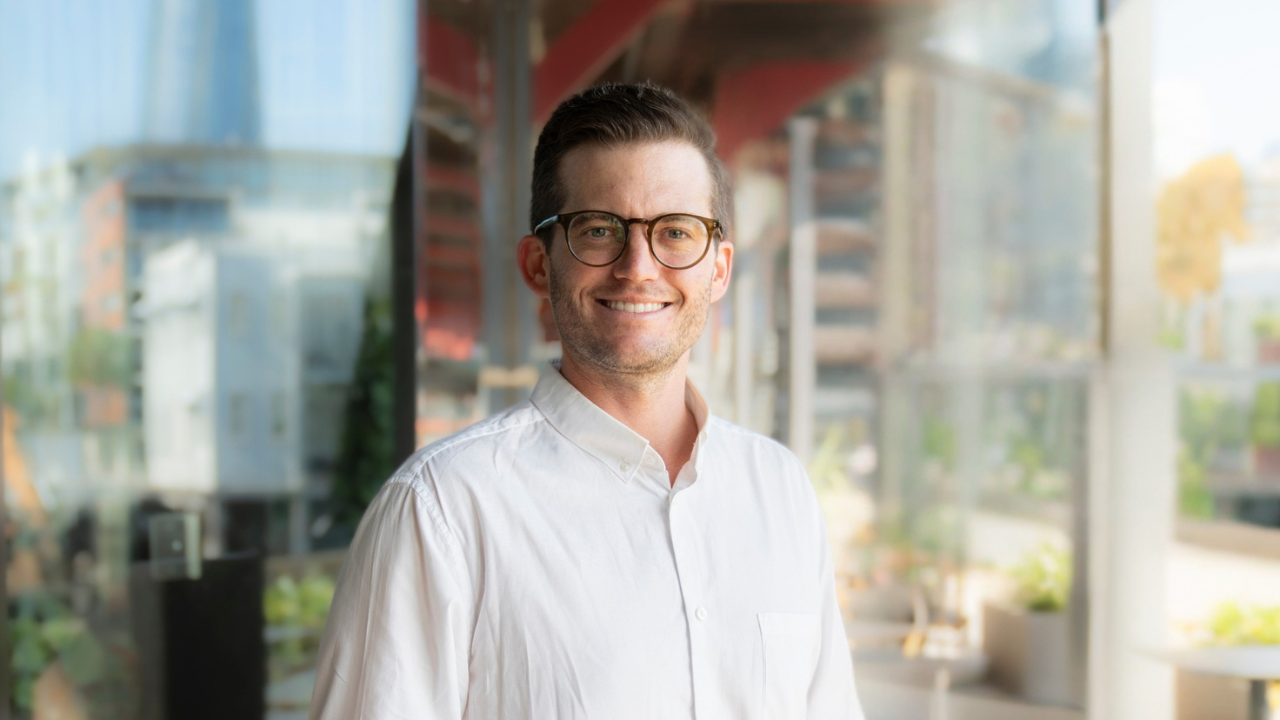
Luke Young is an Associate Engineering Geologist and Geotechnical Instrumentation Lead East Coast at Tetra Tech Coffey. As an experienced Geologist with a demonstrated history of working in the management consulting industry, Luke is skilled in Geotechnical Site investigations, Instrumentation, In-situ testing, Heavy Equipment, System Monitoring, and Measurements. Luke was also a recipient of the Tetra Tech Coffey Ross Best Award in 2024.
Here, Luke outlines the practical lessons other solar farm operators should consider optimising their foundation design and improve sustainability outcomes.

What are some of the biggest geotechnical risks you see in solar farm construction?
One of the most overlooked risks is assuming uniform ground conditions across large rural sites. In a recent project, we found that rock layers were far shallower in some locations than expected, which posed challenges for pile driving and increased the risk of refusal. Inadequate early-stage ground investigation can lead to design inefficiencies, construction delays, or over-engineering.
How can developers reduce risk and improve cost-efficiency in foundation design?
Start with high-quality site characterisation – using techniques like CPT (cone penetration testing), test pits, and geophysical surveys. This allows you to map soil variability and understand refusal depths well before construction. From there, conducting on-site pile testing (both lateral and vertical) helps validate design assumptions and identify opportunities to optimise pile length or size.
In our case, the piles significantly outperformed their expected design capacity, revealing potential to reduce material use without compromising performance.
How much of an impact could that make on project costs?
The impact could be significant. For solar farms with tens of thousands of piles, even reducing pile length by 0.5 metres could save hundreds of thousands of dollars in materials and installation costs. In a recent client scenario, savings of over AUD $500,000 were achievable – and that’s a conservative estimate which only accounts for the cost of steel. We did not include savings from reduced subcontractor time, logistics, and construction management.
What’s a common reason operators hesitate to reduce pile lengths, even with testing data?
In many cases, the main reason is compliance with the suction depth guidelines in AS 2870, which relate to how deep piles need to be driven to avoid movement from seasonal moisture changes. The default values in the standard are conservative and based on climatic zones. However, these values don’t always reflect the actual behaviour of soil at a given site.
In our recent case, field data suggested the suction zone was shallower than 3 metres, but further testing— such as seasonal moisture sampling and suction curve analysis —would be needed to justify a design change.
What should solar developers consider if they want to challenge conservative design depths?
They should invest in seasonal moisture profiling and laboratory suction testing. By comparing dry- and wet-season soil conditions, you can validate whether the assumed suction zone matches actual site behaviour. This forms the basis for safe and compliant reductions in pile length – leading to lower material use, faster installation, and a smaller environmental footprint.
Beyond cost savings, how does this approach support sustainability goals?
Reducing pile length means less steel, less transport, and less energy used during installation. Multiply that across a large-scale project, and you’re talking about substantial reductions in embodied carbon and construction impacts. It’s a practical way to make solar farms more sustainable from the ground up.
What advice would you give to solar farm operators looking to future-proof their foundation design?
Don’t rely solely on standard assumptions—invest in site-specific data.
- Pair geotechnical testing with pile performance testing to validate and optimise designs.
- Engage early with your technical consultants to explore ways to design smarter, not just safer.
- Always allow for flexibility—weather events, unexpected refusal layers, or variable soil moisture can disrupt rigid construction plans.
Ultimately, sustainable design is about balancing performance, cost, and long-term environmental impact—and that starts with a smarter foundation strategy.
For more information
Connect with Luke Young, Associate Engineering Geologist, Geotechnical Instrumentation Lead East Coast at [email protected].